

Bariatric scales are specialised medical professional scales that are engineered to weigh people while supporting higher weight capacities and providing enhanced stability compared to standard scales. As obesity rates continue to rise around the globe, the need for reliable, heavy-duty weighing equipment such as bariatric chair scales has become increasingly important in hospitals, clinics, GPs, and aged care settings. These bariatric scales not only ensure accurate health assessments for larger people but also protect caregivers by reducing the risk of strain or injury during use, making them essential tools for maintaining both the person’s dignity and caregiver’s wellbeing.
Understanding Bariatric Scales
Medical scales come in a range of different shapes and sizes, though they can be broadly grouped into three categories…
Wheelchair Scales: Wheelchair scales are specifically engineered to weigh individuals who remain seated in their wheelchairs, providing a safe and comfortable weighing experience. These scales feature a spacious, low-profile platform designed to easily accommodate standard and powered wheelchairs. Integrated ramps on either side allow smooth access and exit, reducing the need for patient lifting or repositioning. A key feature of these models is the tare function, which enables carers to subtract the weight of the wheelchair, ensuring only the patient’s body weight is recorded. Wheelchair scales are commonly used in hospitals, aged care facilities, and rehabilitation centres where accessibility, accuracy, and patient dignity are essential. Wheelchair scale features typically include high weight capacity, side ramps for easy access, and clear digital displays.
Chair Scales: Chair scales combine the function of a weighing device with the comfort and security of a stable, built-in seat. They are ideal for people who cannot stand unaided or have limited mobility. The ergonomic design ensures comfort while maintaining accuracy, often featuring armrests, footrests, and lockable wheels for safe transport between rooms. Chair scales are widely used in clinical and aged care environments, providing a practical and dignified solution for daily or routine weight monitoring without requiring patients to move to a standing scale. Features typically include supportive armrests, wheeled base for mobility, moderate to high weight capacity, and a built-in seat design.
Platform Scales: Sometimes referred to as floor scales, platform scales are designed for heavy-duty use and are capable of handling higher weight capacities than standard models. They feature a wide, flat surface that allows individuals to stand securely during measurement, with some models also supporting use with walkers or assistance devices. These scales are built for precision and stability, often incorporating reinforced steel construction and non-slip surfaces. Platform scales are a mainstay in hospitals, clinics, and fitness facilities, where durability, accuracy, and ease of cleaning are critical for both patient safety and professional hygiene standards. Features typically include a wide non-slip platform, reinforced construction, handrail options, high load capacity, and user-friendly digital interface.
Prioritising Patient’s Safety and Comfort
One of the most significant advantages of bariatric scales is the way they enhance patient comfort, safety and overall dignity during the weighing process; an essential step in quality healthcare for individuals with higher body weights or mobility challenges.
- Stable and Secure Weighing: Bariatric scales are purpose-built for strength, balance, and accessibility. Their reinforced frames, extra-wide non-slip platforms, and low-profile design make them far more stable than conventional models. These attributes help prevent slips, trips, or tipping incidents that can occur when patients are asked to stand on smaller, less stable equipment. Many designs also feature supportive handrails or integrated ramps, ensuring that patients can approach and step onto the scale safely; whether independently or with the assistance of a caregiver.
- Reduced Stress and Enhanced Dignity: Beyond physical safety, bariatric scales also prioritise patient well-being and respect. They are designed to minimise physical exertion and discomfort, with options such as chair or bed scales allowing individuals to remain seated or reclined during weighing. This thoughtful design reduces anxiety, pain, or embarrassment that may accompany the use of standard standing scales. By making the process more comfortable and discreet, these scales help maintain the patient’s dignity and encourage a smoother, more cooperative experience in clinical settings.
- Accurate Data for Safer Care: Accurate weight measurement is important for effective healthcare, particularly in determining medication dosages, fluid management, anesthesia levels, and nutritional planning. Bariatric scales are engineered to deliver precise readings across a wide weight range without strain on the equipment. Their high load capacity and reliable calibration ensure that clinicians can trust the measurements, preventing potentially dangerous dosing errors and enabling better-informed treatment decisions. By combining precision with durability, bariatric scales play a vital role in safeguarding both patient outcomes and caregiver confidence.
Protecting Caregivers From Injury
Bariatric scales contribute not only to patient dignity and safety, but also to a safer, and more sustainable working environment for healthcare professionals. Patient handling remains one of the most prevalent causes of workplace injury within healthcare environments. Back strain, shoulder injuries, and musculoskeletal disorders often result from repetitive lifting or supporting of patients. Bariatric scales are designed with these risks in mind, offering innovative solutions that protect both patients and healthcare professionals through safe, efficient, and ergonomic design.
- Reducing the Need for Manual Lifting: Traditional weighing methods often require staff to physically assist patients who struggle to stand or balance, creating a high risk of strain or injury. Bariatric scales address this by incorporating accessibility-focused features such as low-profile platforms, integrated ramps, and transport wheels for easy positioning. For individuals unable to stand, chair and bed scales allow weighing without requiring transfers or heavy lifting. This greatly reduces the amount of manual handling required, lowering the likelihood of back injuries and ensuring that both staff and patients are kept safe throughout the process.
- Supporting Safe and Controlled Transfers: Bariatric chair scales, in particular, are engineered for security and ease of use. Foldable armrests, footrests, and locking wheels help maintain a stable, contained environment during weighing. Patients can be comfortably seated and positioned without feeling unsafe, while caregivers can assist with confidence knowing that the equipment will remain steady even if the patient shifts. These design elements prevent sudden movements or instability that could otherwise lead to falls or emergency situations, ensuring a smoother and more predictable transfer process.
- Reliability and Staff Confidence: In high-pressure clinical settings, dependable equipment is essential. Bariatric scales are from reinforced, medical-grade materials and rated for high weight capacities, ensuring they perform consistently under demanding use. This structural integrity gives staff the assurance that the equipment will not fail or become unstable during operation. Knowing the scale is built specifically for bariatric care allows caregivers to focus on patient comfort and accuracy rather than worrying about equipment limitations.
Improving Operational Efficiency & Compliance
While patient safety remains the foremost concern, bariatric scales also play a critical role in enhancing efficiency, workflow, and regulatory compliance within healthcare settings. Their thoughtful design not only protects patients and staff but also supports a more organised, professional, and effective clinical environment.
- Compliance with Standards: Using bariatric scales that are specifically designed and rated for higher-weight patients demonstrates a facility’s dedication to delivering safe, patient-centred care. These devices help healthcare organisations meet regulatory requirements and accreditation standards, including occupational health and safety guidelines and patient handling protocols. By incorporating appropriately rated and ergonomically designed equipment, facilities can ensure that staff are following best practices, reducing the risk of injury, and maintaining compliance with healthcare regulations; an essential factor in both patient safety and institutional accountability.
- Streamlined Workflow and Efficiency: Bariatric scales, especially chair and bed configurations, significantly improve clinical workflow by allowing patients to be weighed in place without requiring transfer to a separate scale or room. This eliminates unnecessary movement for patients who may have limited mobility or be in pain, while also saving staff time and reducing the physical effort required for handling. Streamlined weighing processes not only improve staff efficiency but also enhance patient comfort, dignity, and cooperation. By integrating bariatric scales into routine assessments, healthcare teams can maintain a smoother, faster, and more organised operational flow, freeing up resources for other critical tasks while maintaining high standards of care.
Bariatric Scales by A&D Weighing
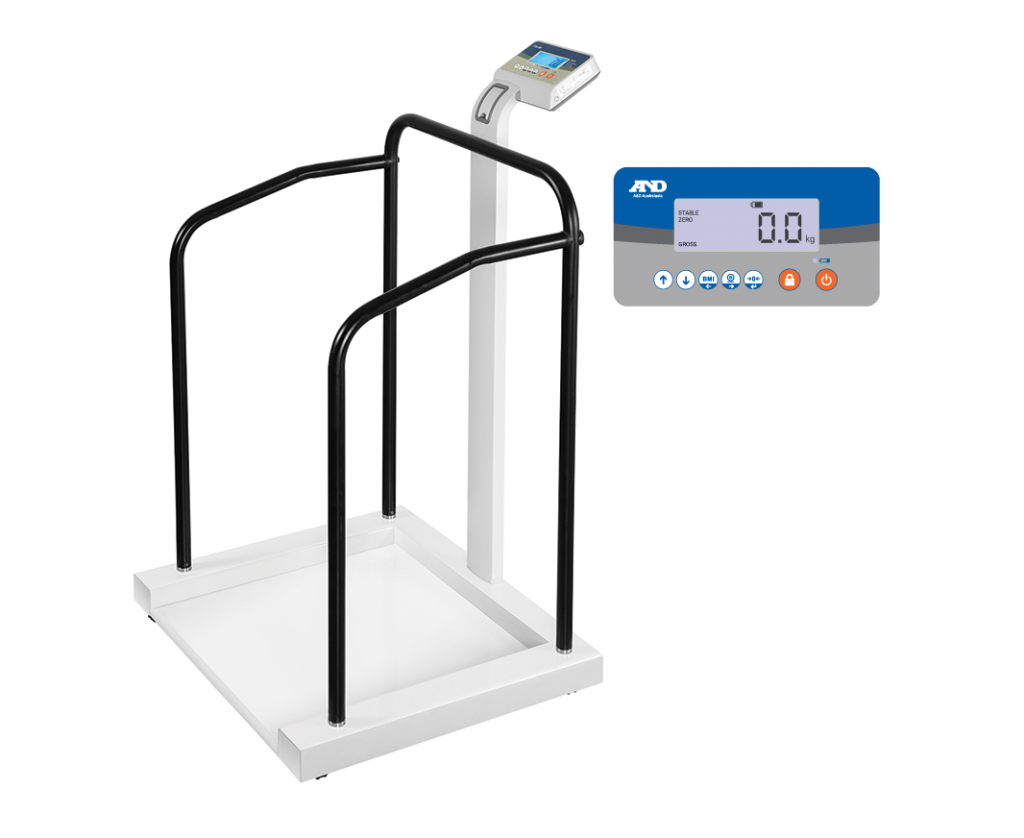
- AMH-400 Bariatric Stand-on Scale: The AMH-400 Bariatric Stand-on Scale is specifically designed to provide a safe and comfortable weighing experience for individuals who are obese or may have difficulty maintaining balance. It features a low-profile platform for easy access and a supportive handrail to enhance stability during use. The scale offers a maximum weight capacity of 400 kg with precise 100 g increments, and the platform measures 600 mm by 600 mm, providing ample space for secure footing.
- BCS Bariatric Chair Scale: These BSC bariatric chair scales are specially designed for individuals who are unable to stand or have difficulty doing so, providing a safe and comfortable weighing solution. Their ergonomic design and high-quality construction ensure ease of transfer into and out of the seat, while the vinyl-padded seating enhances comfort and supports infection control. With a 500 kg weighing capacity, the scales deliver quick, accurate, and easy-to-read measurements. Additional features include lockable wheels for patient safety, a dual power supply option using six D-cell batteries or an optional adaptor, and the reassurance of being Australian made and designed for reliability in clinical settings.

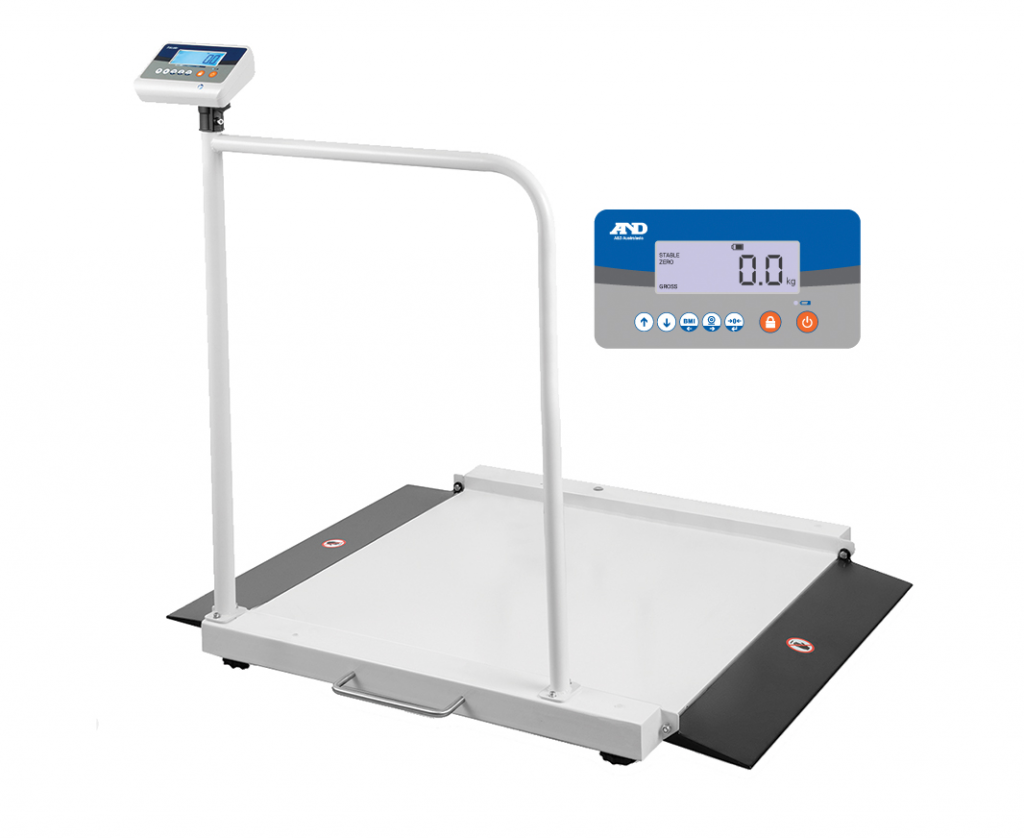
- AMW-300 Wheelchair Scale: The AMW-300 portable wheelchair scale provides precise weight measurements for wheelchair users across a variety of settings. Designed with mobility challenges in mind, it features an ergonomic handrail for added stability and an easy-to-read LCD display for quick and accurate readings. With a maximum weight capacity of 300 kg, this scale combines portability, reliability, and patient-friendly design to ensure safe and efficient weighing wherever it is needed.
Conclusion
Bariatric scales ensure accurate, safe, and dignified weighing for individuals with higher body weights or limited mobility, while reducing the physical strain and injury risk for caregivers. By streamlining workflow, supporting compliance with safety standards, and enhancing patient comfort, these scales are more than just equipment; they are a vital investment in modern healthcare facilities, safeguarding wellbeing and improving efficiency across the board. You can browse A&D’s selection of medical scales here, or head over to our homepage to explore our wide range of other products. For all inquiries, don’t hesitate to get in touch with us directly.