

Accurate weighing is important in industrial environments where even small errors can lead to costly inefficiencies, safety hazards, and compliance issues. That’s where accurate pallet scales and platform scales come in. Both play a significant role in logistics, warehousing, and manufacturing, helping businesses maintain accuracy, reduce risks, and improve overall efficiency. From managing stock levels to ensuring goods are shipped within regulatory limits, reliable measurements are essential for smooth operations. The right scale not only speeds up weighing processes, but also enhances workplace safety, ensures regulatory compliance, and supports more streamlined handling of palletised goods.
Types of Platform Scales & Pallet Scales & How They Work
So what’s the difference between a pallet scale and a platform scale?
The key distinction between a platform scale and a pallet scale lies in how each is designed and the purpose it serves in industrial weighing. While both are built to handle heavy-duty applications, their form and function make them suited to different operational needs.
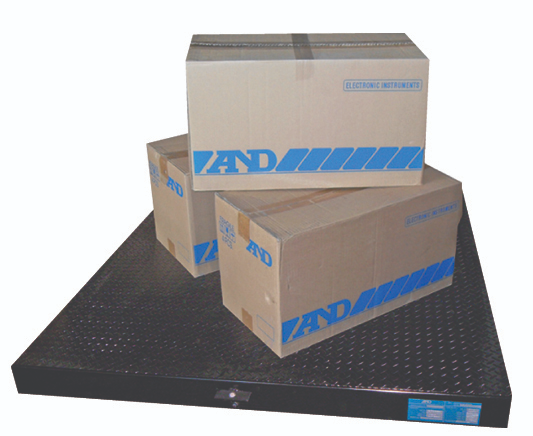
A platform scale is a general-purpose weighing scale featuring a flat, elevated surface for placing objects. Available in a wide range of sizes and capacities, these scales are used across diverse industries for weighing everything from carton boxes to containers and drums. Their low-profile design makes loading more manageable, and many models incorporate portability features to accommodate different workflows. As a result, platform scales are valued for their versatility in settings such as manufacturing, shipping, agriculture, and recycling. Platform scales also come in various types, including floor-mounted, portable, and waterproof models, each tailored to different loading methods and industrial applications.
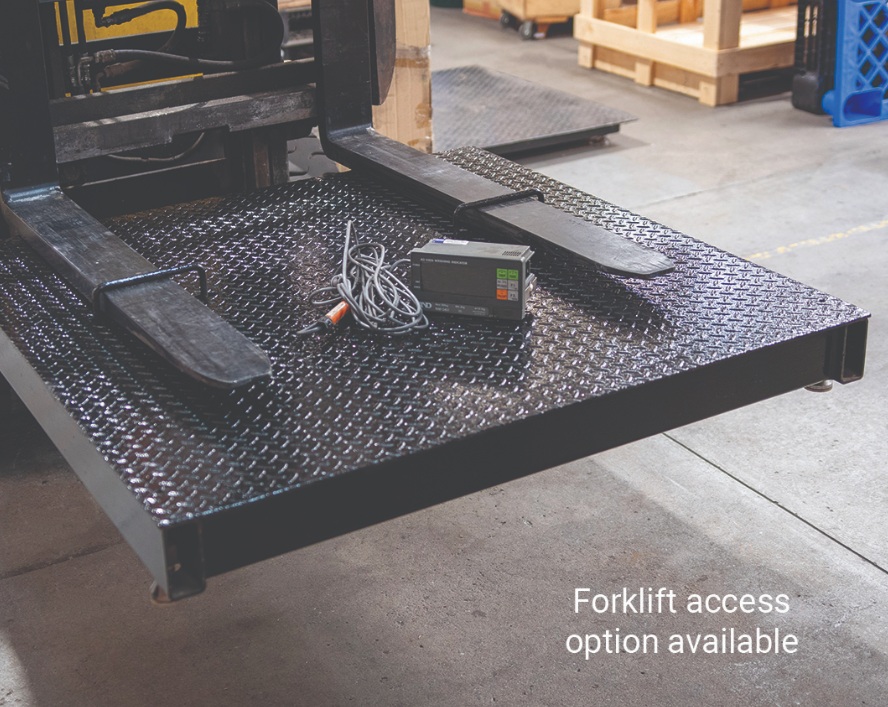
A pallet scale, by contrast, is a specialised form of platform scale designed specifically for weighing pallets and other heavy loads typically moved with forklifts or pallet jacks. These scales are usually built to the dimensions of a standard pallet, around 120cm x 120cm, and can handle substantial capacities up to 3 tonnes. Their primary role is to simplify the weighing of palletised goods in warehouses, distribution centres, and shipping operations, making them indispensable for businesses that rely on fast, accurate handling of high volumes of stock. Pallet scales are available in various different forms, such as pallet jack scales, floor-mounted platforms, and U-frame designs, each allowing goods to be weighed directly during handling.
Why Pallet Scales Are Essential in Industrial Settings
Pallet scales are a vital part of industrial operations, offering multiple benefits that directly impact safety, compliance, efficiency, and cost control. Their key advantages include:
- Preventing Overloading & Accidents: By delivering precise weight measurements, pallet scales help ensure loads are kept within safe limits, reducing the likelihood of overloading forklifts, trucks, or storage racks and minimising the risk of workplace incidents.
- Ensuring Compliance with Workplace Safety Standards: Accurate weighing supports adherence to regulatory requirements, helping businesses maintain safe practices and avoid potential fines or penalties.
- Reducing Equipment Damage & Maintenance Costs: Overloaded machinery is prone to breakdowns and premature wear. Pallet scales protect valuable equipment by ensuring it is not subjected to excessive stress, thereby extending service life and lowering repair expenses.
- Improving Workflow & Productivity: Pallet scales allow goods to be weighed during handling, eliminating the need for separate weighing stations and significantly speeding up daily operations in warehouses and manufacturing facilities.
- Enhancing Inventory Management: By providing reliable, weight-based data, pallet scales make it easier to track stock levels, support accurate record keeping, and reduce errors in order fulfilment.
Key Factors to Consider When Choosing a Pallet Scale
- Weight Capacity: Start by identifying both the average and maximum weights you want to handle. Pallet scales are available in a wide range of capacities, so selecting one that exceeds your maximum load by a safe margin will help maintain long-term accuracy and protect the equipment from strain.
- Physical Size: Consider the size of the loads you’ll be weighing alongside the layout of your facility. Pallet scales come in different platform sizes, so make sure the scale can comfortably accommodate your largest pallets while fitting efficiently into your available workspace.
- Environmental Compatibility: Industrial environments often expose equipment to moisture, dust, or other harsh conditions. Choose a scale built for your setting; for example, stainless steel models are well suited to wet or corrosive areas.
- Quality & Durability: Heavy-duty industries demand equipment that lasts. Select scales constructed from robust, high-quality materials designed to withstand regular use in tough conditions.
- Consider Load Cell: Load cells are the core components that capture and translate weight into accurate readings. The type and quality of load cells determine reliability—premium load cells provide consistent accuracy, while lower-grade options can lead to errors and costly replacements.
- Choose a Reliable Supplier: Choose a supplier with proven industry experience, strong customer support, and comprehensive after-sales support. A reputable partner will not only supply the right equipment but also back it with service, guidance, and long-term reliability.
Why It’s Important to Choose the Right Scale For Your Requirements
Choosing the right pallet scale can have a significant impact on business operations, chiefly for the following reasons…
- Increased Safety & Accident Prevention: Accurate weight measurements help prevent overloading, reducing the risk of workplace incidents.
- Improved Efficiency in Loading/Unloading: Pallet scales allow goods to be weighed during handling, streamlining workflows and speeding up operations.
- Cost Savings From Reduced Damage & Downtime: Preventing overloading protects equipment, lowering repair costs and minimising operational interruptions.
- Better Compliance with Safety & Transport Regulations: Using the right pallet scale ensures adherence to workplace safety standards and transport rules, reducing the risk of fines and supporting reliable logistics and inventory management.
Frequently Asked Questions
Are pallet scales accurate?
Absolutely. Pallet scales are designed to provide high accuracy, with some models offering legal-for-trade NMI certification. Accuracy can vary by model and application, but reputable brands ensure precise measurements suitable for industrial and commercial use.
Can pallet scales handle heavy loads?
Yes! Pallet scales are built to accommodate substantial weights, with capacities ranging up to 3,000 kg, depending on the model. This makes them suitable for heavy-duty applications in industries like logistics, manufacturing, and warehousing.
Are pallet scales suitable for different industries?
Yes, pallet scales are versatile and widely used across various industries, including logistics, manufacturing, agriculture, and even in hospitals. Their adaptability makes them essential tools for weighing palletised goods in diverse operational settings.
What is the typical weight capacity of a pallet scale?
Pallet scales typically have weight capacities ranging from 1,000 kg to 3,000 kg. For instance, some models offer capacities of 1,500 kg and 2,000 kg, catering to the needs of heavy-duty applications.
Do pallet scales require calibration?
Yes, regular calibration is essential to maintain the accuracy and reliability of pallet scales. Calibration should be performed after installation, relocation, or whenever the scale shows inconsistent readings.
Should I regularly service my pallet scales?
Regular servicing ensures that pallet scales operate at peak performance, extending their lifespan and maintaining accuracy. Routine maintenance helps identify potential issues early, reducing downtime and repair costs.
Do pallet scales integrate with warehouse management systems?
Yes, some modern pallet scales can integrate with warehouse management systems. This integration allows for real-time data transfer, enhancing inventory tracking and operational efficiency. If this feature is essential for you, confirm it’s available on the pallet scale you choose before you make a purchase.
Conclusion
Pallet and platform scales provide accurate, reliable weighing to enhance operations, efficiency, and compliance. Pallet scales streamline handling of palletised goods, prevent overloading, and reduce equipment damage, while platform scales offer versatile heavy-duty weighing for a wide range of items, supporting inventory management and operational accuracy across industrial settings. You can browse our selection here, or explore our many other products and services on our home page. Got a question? You can get in touch with us directly here.