

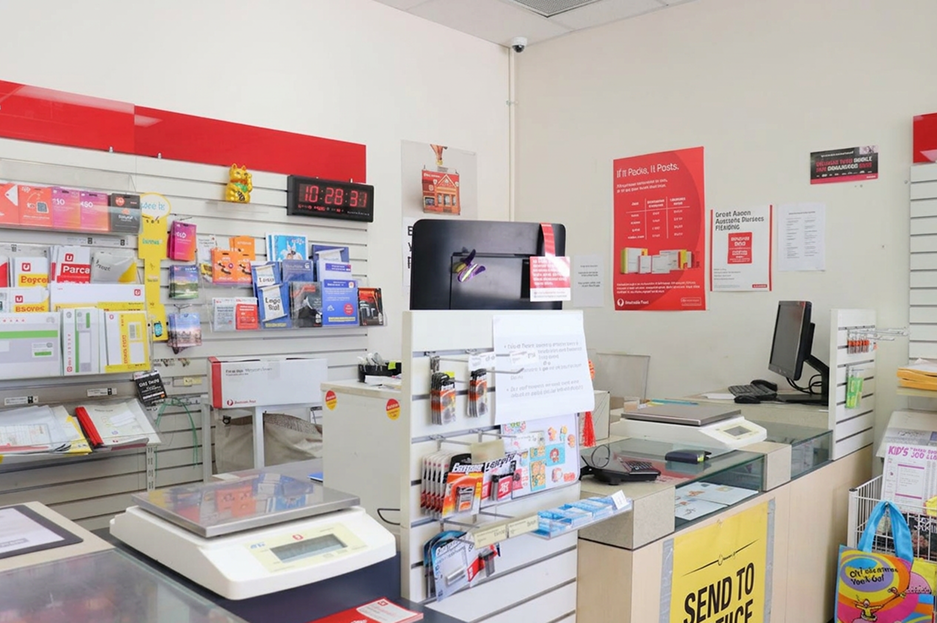
The National Measurement Institute (NMI)
The National Measurement Institute (NMI), is Australia’s leading authority on measurement standards and practices. They ensure that physical, chemical, biological, legal, and trade measurements are accurate, reliable, and internationally recognised.
A&D Weighing offers a wide selection of NMI trade approved scales to meet your specific weighing requirements, whilst adhering to the legal requirements of Australia’s National Measurement Institute.
The NMI plays a key role in maintaining and developing fair trade measurement standards that support a wide range of industries, from science and technology to healthcare and commerce. They are responsible for providing measurement services that underpin confidence in everyday transactions, whether in business, research, or regulatory activities. By ensuring measurements are consistent and traceable to national and international standards, the NMI helps foster trust in the quality and fairness of trade, public safety, and scientific research. Their work supports a wide array of sectors including consumer protection, environmental management, and innovation in emerging industries.
Compliance with NMI regulations is mandatory in numerous business transactions and ensures that both consumers and businesses operate in an environment of transparency, where all measurements are consistent and trustworthy. This helps to maintain a level playing field, promoting fairness and accountability across industries. Scroll down to learn more, or browse NMI trade approved scales here.
Understanding Trade Measurement
Trade measurement laws in Australia ensure consumers receive the correct value for their purchases. These regulations specifically govern transactions where prices are determined by measurement, such as the sale of parcels, jewellery, meat etc. The trade laws cover various aspects, including the definition of legal measurement units, the proper use of measuring instruments in trade, and the testing and verification of these instruments. They also regulate transactions involving measurement, labelling of pre-packed goods, and the licences required by businesses to verify their measuring instruments.
All Australian businesses that engage in trade by measurement must comply with these laws. This includes businesses that sell goods by weight or volume (such as fruit and vegetable sellers), manufacture, pack, import, or sell pre-packaged goods, or supply and maintain measuring instruments. The laws apply to both wholesale and retail operations. Businesses found guilty of under-measuring (providing less than the stated quantity) could face significant fines: up to $210,000 per offence for a company, or $42,000 per offence for an individual.
Key Regulatory Requirements For Trade Measurement
The NMI sets key standards for measurement accuracy in Australia, ensuring reliability in trade and industry. These standards cover essential aspects such as:
- Calibration: The NMI guidelines specify how measuring instruments should be calibrated to ensure their accuracy over time, aligning them with national standards.
- Verification: The NMI outlines the processes for verifying that instruments meet required legal standards, often involving periodic checks and adjustments.
- Certification: The NMI provides certification for instruments, confirming their compliance with legal and industry-specific requirements. This ensures that equipment used in trade and measurement is fit for purpose and trustworthy.
These standards help maintain consistency and fairness in measurements across various sectors, from retail to industrial applications. For more details on the specific guidelines and procedures, you can refer to official NMI resources.
Trade measurement inspectors oversee compliance, inspecting equipment used in trade. They employ a risk-based approach, focusing on areas where inaccurate measurements pose the highest risk to consumers or businesses.
Weighing businesses in Australia are also required to supply NMI-approved measuring instruments. This involves pattern approval, where the design of instruments is verified for accuracy, and instrument verification, which ensures ongoing compliance with NMI standards through regular testing. These tools must meet accuracy thresholds to prevent discrepancies that could affect trade.

Compliance Tools & Solutions
Using reliable, calibrated instruments ensures accuracy and consistency in measurements, which simplifies compliance with regulatory standards. Regularly calibrated equipment minimises the risk of measurement errors, reducing the chances of non-compliance or penalties. This not only supports legal and ethical business practices but also builds trust with customers, enhancing overall business reliability. By ensuring measurements are precise, businesses can maintain operational efficiency and avoid costly mistakes.
A&D offers a comprehensive range of scales designed for various uses, all of which meet the required government standards and regulations. We also have a dedicated local team of NMI-licensed technicians who provide ongoing support and validation services to ensure businesses remain compliant and receive reliable maintenance. You can consult our friendly team of experts here.
Conclusion
At A&D Weighing, we provide a vast selection of NMI trade approved scales that will ensure that your business can maintain impeccable quality control while complying with the many legal requirements of Australia’s National Measurement Institute.
A&D Weighing is a leading Australian supplier of electronic weighing solutions, including weighing scales, X-rays & metal detectors, checkweighers and more. We are proud to be